


Introduction
In the rhythm of a busy city, the relationship between pedestrians and vehicles is a delicate dance. Every day, millions of people navigate roads to get from one side to the other, often carrying groceries, holding a child’s hand, or pushing a stroller. For decades, traffic engineers have looked for ways to make these moments of crossing safer, more efficient, and more inclusive. One of the most widely used solutions in the UK and many other countries is the Pelican Crossing—short for Pedestrian Light Controlled Crossing.
Pelican Crossings are more than just sets of lights and buttons. They are part of an urban safety culture that values the protection of pedestrians, especially vulnerable groups like children, the elderly, and people with disabilities. They blend engineering, technology, and human-centred design to create safer, more accessible streets.
In this article, we will explore 20 positive and best topics about Pelican Crossings, from their safety benefits to their role in urban planning, from innovative features to global adaptations.
1. How Pelican Crossings Improve Pedestrian Safety
Pelican Crossings provide a dedicated time window when vehicles must stop, allowing pedestrians to cross without competing for road space. This significantly reduces the risk of collisions, particularly on busy streets and near high-footfall areas such as shopping centres and train stations. Studies by UK transport authorities have shown marked reductions in pedestrian injuries after their installation.
2. Accessibility for All
Modern Pelican Crossings are designed with universal access in mind. Audible beeps help visually impaired pedestrians know when it’s safe to cross, while tactile paving and vibrating signal boxes provide an additional sensory cue. These features create a safer and more inclusive environment for everyone, regardless of ability.
3. Child Safety Education
Many schools incorporate Pelican Crossing training into road safety lessons. Children are taught to push the button, wait for the green man, and check traffic before stepping off the curb. This early education builds habits that last into adulthood, contributing to overall pedestrian safety.
4. Elderly-Friendly Features
Older pedestrians often walk more slowly, and Pelican Crossings can be programmed with longer green phases to accommodate them. The large, high-contrast visual signals are also easier to see for those with impaired vision.
5. The Science Behind Pelican Crossing Timers
The timing of lights isn’t random—it’s calculated based on road width, average walking speed, and traffic flow. Sensors may be used to detect when pedestrians are still crossing, extending the green phase to prevent mid-crossing hazards.
6. Audible & Tactile Signals
Audible beeps are timed to indicate when the pedestrian light is green, while tactile rotating cones beneath the push button give a physical signal for those with hearing or visual impairments. These dual cues make the system accessible in varied sensory environments.
7. Integration with Smart City Technology
Some cities are integrating Pelican Crossings into “smart city” systems. Sensors can detect pedestrians waiting without the need for a button press, automatically triggering a green phase. AI-driven analytics can also adjust timings dynamically to reduce congestion.
8. Energy-Efficient Lighting
LED lights are now the standard for Pelican Crossings, providing bright, clear signals while consuming less energy. In some areas, solar panels are being tested to power crossing lights, contributing to sustainable urban design.
9. Pelican Crossings in Accident-Reduction Statistics
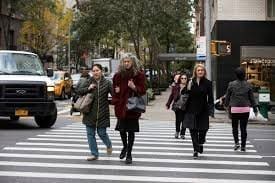
Transport data from the UK shows that roads with Pelican Crossings tend to have fewer pedestrian accidents compared to similar roads without them. This evidence supports continued investment in crossing infrastructure as a public health measure.
10. Boosting Walkability in Cities
Safe crossings encourage walking by reducing the perceived danger of busy streets. More walking means less car dependency, lower carbon emissions, and healthier communities.
11. Traffic Flow Management
Pelican Crossings not only protect pedestrians—they also help keep traffic moving in a predictable rhythm. Timed phases prevent sudden pedestrian crossings that can disrupt traffic flow.
12. Creating Safer School Zones
Strategic placement of Pelican Crossings near schools ensures that children have a protected route across busy roads. These crossings are often paired with speed reduction measures, creating comprehensive safe zones.
13. Neighbourhood Connectivity
Pelican Crossings link neighbourhoods divided by busy roads, making it easier to reach parks, shops, and community facilities. They contribute to a sense of unity in urban design.
14. Smart Pelican Crossings
Newer models can detect the number of waiting pedestrians and adjust green-light times accordingly. They can also communicate with traffic management systems to coordinate signals across an area.
15. Sustainable Materials in Construction
Eco-conscious cities are experimenting with recycled materials for poles, tactile paving, and even the buttons themselves, aligning with broader sustainability goals.
16. Integration with Cycling Infrastructure
Some Pelican Crossings are combined with “Toucan” functions, allowing cyclists to cross alongside pedestrians without dismounting, improving convenience for active travel.
17. Interactive Education Campaigns
Councils and road safety groups are using VR simulations, apps, and interactive games to teach safe crossing habits. These tools are especially effective for young people and tech-savvy audiences.
18. Pelican Crossings Around the World
While the name “Pelican Crossing” is mainly used in the UK, similar systems exist globally. In Japan, musical tones replace beeps; in Australia, some crossings feature animated green figures; in parts of Europe, light projections are used directly on the road surface.
19. Community Involvement in Placement
Before installing a Pelican Crossing, local councils often consult residents and businesses. This collaborative approach ensures that crossings are placed where they’re most needed.
20. Role in ‘Vision Zero’ Programs
Vision Zero is an international road safety strategy aiming for zero fatalities. Pelican Crossings play a key role by systematically removing conflict points between vehicles and pedestrians.
Conclusion
Pelican Crossings might seem like simple pieces of street furniture, but they represent a thoughtful blend of safety engineering, accessibility design, and community planning. They make roads safer, encourage sustainable transport, and help cities become more inclusive and connected. As technology advances, Pelican Crossings will continue to evolve, becoming smarter, greener, and even more integral to urban life.