
Introduction
Jerusalem—known in Arabic as Al-Quds, meaning “The Holy”—is a city that has stood at the intersection of history, spirituality, and human endeavor for thousands of years. Few places on Earth hold the same depth of significance for so many people. For Jews, Christians, and Muslims alike, its stone streets are sacred pathways; its golden domes and ancient walls are symbols of divine connection; its markets and neighborhoods are living expressions of culture and resilience.
But Jerusalem is not only a city of the past—it is also a city of today and tomorrow. Here, ancient traditions meet contemporary creativity. From bustling markets that transform into open-air art galleries at night to high-tech start-ups reshaping global innovation, Jerusalem thrives as a place where history fuels progress.
This article explores 20 positive and remarkable aspects of Jerusalem—covering its sacred landmarks, historical treasures, cultural celebrations, artistic achievements, community life, and its surprising role as a hub for modern innovation and green living.
1. Heritage & Spiritual Landmarks
The Old City’s UNESCO Legacy
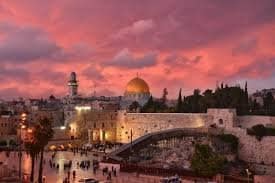
The Old City of Jerusalem is a UNESCO World Heritage site enclosed by centuries-old stone walls. Within its less-than-one-square-kilometre area lie some of the most sacred sites on Earth: the Western Wall, the Church of the Holy Sepulchre, and the Al-Aqsa Mosque. The Old City is divided into four quarters—Jewish, Christian, Muslim, and Armenian—each with its own atmosphere, architecture, and traditions.
Walking through the Jaffa, Damascus, or Lion’s Gate is like stepping into a living museum, where the air carries the scent of spice stalls and incense, and every stone seems to whisper centuries-old prayers.
The Dome of the Rock’s Artistic Brilliance
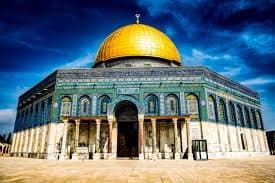
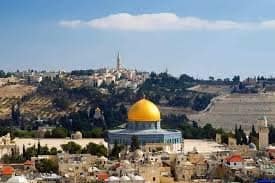
Crowning the Temple Mount, the Dome of the Rock is one of the most recognizable religious monuments in the world. Built in the 7th century, it is a jewel of Islamic architecture, adorned with blue, green, and gold tiles that gleam in the sun. Inside, its octagonal structure surrounds the Foundation Stone, a site of profound spiritual meaning in Judaism, Christianity, and Islam.
Its intricate mosaics are not just artistic marvels—they are also messages of unity, inscribed with verses that speak of faith and divine presence.
2. History & Archaeology
3,000-Year-Old Shrine Discovery
Recent archaeological finds have revealed a shrine dating back to the reign of King Hezekiah—over 3,000 years ago. The shrine’s preservation offers unprecedented insights into ancient worship practices in the region. For historians and believers alike, such discoveries are tangible links to the Jerusalem described in sacred texts.
City of David Excavations
Just outside the Old City walls lies the City of David, considered the birthplace of Jerusalem. Ongoing excavations reveal houses, water tunnels, and fortifications dating back to biblical times. Walking its archaeological trails is a journey into the city’s earliest chapters—long before the walls of the Old City were built.
3. Culture, Art & Innovation
Jerusalem Festival of Light
Every summer, the Old City becomes a canvas for light artists from around the world. Projections illuminate ancient walls, alleyways glow with color, and music accompanies the luminous artworks. It’s a festival where history literally shines.
Israel Festival in Jerusalem
As one of Israel’s most prominent cultural events, the Israel Festival blends music, theatre, and dance. Performances often spill into public squares, bridging cultures through art and creating a celebratory atmosphere.
Vibrant Art Scene & Museums
From the Israel Museum—home to the Dead Sea Scrolls—to smaller venues like the Jerusalem Artists’ House, the city’s art scene thrives. Contemporary street art decorates market shutters, while galleries showcase both traditional Middle Eastern crafts and cutting-edge installations.
4. Community & Markets
Mahane Yehuda Market: Day-to-Night Transformation
By day, Mahane Yehuda is a bustling market where vendors sell fresh produce, spices, and pastries. By night, its shutters—painted with vivid street art—transform it into an open-air gallery, and bars and music venues bring the area alive.
Street Art of Mahane Yehuda
Jerusalem’s street art movement is nowhere more visible than here. Artists have turned market stalls into vibrant tributes to local history, global icons, and social commentary.
Neighborhoods of Coexistence
Jerusalem’s neighborhoods reflect its diversity. Ein Karem is a serene village with artist studios and leafy cafes. Mea Shearim preserves ultra-Orthodox Jewish traditions. The Armenian Quarter maintains centuries-old heritage, offering a microcosm of cultural coexistence.
Armenian Ceramics Legacy
The hand-painted ceramic tiles of the Armenian Quarter decorate churches, homes, and shops throughout Jerusalem. This tradition dates back to artisans brought from Turkey in the early 20th century, whose work has become an integral part of the city’s identity.
Mardigian Museum’s Grand Reopening
The recently reopened Mardigian Museum tells the story of Jerusalem’s Armenian community through mosaics, artifacts, and photographs—a celebration of cultural resilience.
5. Innovation, Nature & Modern Life
Jerusalem as a Startup Hub
Jerusalem is not just about ancient history—it’s a rising tech capital with over 400 start-ups. Fields like biotech, software, and renewable energy are flourishing here, with young entrepreneurs drawing inspiration from the city’s creative spirit.
Hebrew University’s Academic Leadership
Founded in 1918, Hebrew University is a top research institution with global partnerships. Its scholars contribute to breakthroughs in medicine, agriculture, and technology.
Gazelle Valley: A Green Sanctuary
In the heart of modern Jerusalem lies Gazelle Valley, a nature reserve where wild gazelles roam freely. Locals come here to walk, picnic, and escape the city’s bustle without leaving it.
Jerusalem’s Metropolitan Parks
From the green expanses of the Jerusalem Ring to the Arazim Valley, the city has invested in large parks that combine recreation with ecological conservation.
Conclusion
Jerusalem is a city where the past is always present—and the present is constantly shaping the future. From the sacred stones of the Old City to the neon glow of festival lights, from ancient shrines to modern tech labs, it is a place of contrasts and connections. Above all, Jerusalem remains a shared treasure: a city whose beauty, complexity, and resilience continue to inspire people across the world.