

Introduction
Perched atop one of London’s highest natural vantage points, Harrow on the Hill is a place where history whispers through cobbled lanes, nature flourishes in green pockets, and modern life hums in harmony with centuries-old traditions. Located in the London Borough of Harrow, just 10 miles northwest of central London, it’s more than a commuter suburb—it’s a living tapestry woven from medieval origins, educational prestige, cultural richness, and panoramic beauty.
For visitors, Harrow on the Hill offers postcard views of the capital and an enchanting walk through a preserved village that feels a world away from the city’s hustle. For residents, it’s a community steeped in tradition yet vibrant with contemporary energy. This article dives deep into its many facets—its historic heart, green landscapes, iconic architecture, cultural links, and the warm community spirit that makes it one of Greater London’s most prized gems.
1. A Historical Heartbeat
St. Mary’s Church: A Spiritual and Architectural Landmark
Dating back to 1094, St. Mary’s Church is Harrow on the Hill’s oldest and most iconic structure. Its carved spire—visible for miles—is both a beacon for travelers and a symbol of the village’s enduring spirit. Inside, medieval woodwork, stained glass, and ancient tombs tell the story of nearly a millennium of worship. The churchyard offers one of the most sweeping views in London, where you can gaze across Wembley Stadium’s arch toward the distant city skyline.
The Royal Legacy of Harrow School
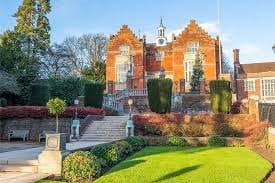
Founded in 1572 under a royal charter from Queen Elizabeth I, Harrow School has shaped leaders, poets, and statesmen for over four centuries. Notable alumni include Winston Churchill, Lord Byron, and King Hussein of Jordan. The school’s Speech Room is legendary—not only for its architecture but for being the place where Churchill memorably recited over a thousand lines of poetry. Walking its grounds feels like stepping through the pages of British history.
Preserved Village Atmosphere
Despite being enveloped by Greater London’s sprawl, Harrow on the Hill retains the essence of a medieval village. Narrow streets curve around ancient building plots, and heritage-listed homes line quiet lanes. The village square still echoes with community life, creating an unusual blend: a peaceful rural setting within a major metropolis.
2. Nature and Landscape Beauty
Views from the Hill
At 124 metres above sea level, Harrow on the Hill offers one of the best natural lookouts in Greater London. From the churchyard, the city unfolds like a map—skyscrapers in the east, Wembley’s white arch in the south, and the gentle Chiltern Hills to the northwest.
Wildlife at Harrow School Grounds
Few schools can boast a nature reserve within their grounds, but Harrow can. Ancient oak trees, seasonal wildflowers, and a tranquil lake are home to birds, insects, and small mammals. This oasis supports biodiversity in an otherwise urban borough.
3. Culture and Architecture
Eight Conservation Areas
Over a third of Harrow’s land is designated as conservation space, protecting its architectural integrity. From Georgian townhouses to Tudor timber-framed cottages, these preserved streets are a living museum of English building styles.
The Castle Pub
Dating back to 1716, The Castle is more than just a place for a pint—it’s a Grade II–listed building that has witnessed centuries of local life. With period interiors and a warm atmosphere, it’s a favourite spot for both villagers and visitors.
King’s Gantry Landmark
A charming wooden arch on High Street marks the spot of a 16th-century inn once frequented by King Henry VIII. Restored in 2013, it’s a quirky reminder of Harrow’s brush with royalty.
4. Community and Lifestyle
A Commuter’s Dream
With direct Metropolitan line services, Harrow on the Hill offers rapid access to Baker Street in under 20 minutes. Yet, once you step off the train and climb the hill, the city’s rush melts into a slower, more genteel pace.
Cosmopolitan Spirit
Harrow’s diverse population brings an eclectic mix of shops, cafés, and cultural events. From artisan bakeries to global cuisine, the high street reflects a microcosm of London’s multicultural identity.
Family-Friendly Environment
Tree-lined streets, nearby parks, and highly regarded schools (including Harrow and John Lyon) make it ideal for families. The community regularly organizes fairs, concerts, and seasonal celebrations, ensuring a strong sense of belonging.
5. Literary and Cultural Ties
Home to Poets and Novelists
The romantic poet Lord Byron famously attended Harrow School, and his verses still resonate in the landscapes that inspired him. Victorian novelist Anthony Trollope also had ties to the area, and his descriptions of village life echo Harrow’s timeless charm.
Speech Room Traditions
The Harrow School Speech Room remains a cultural treasure, with its unique acoustics and ornate woodwork. It’s a place where tradition meets performance, used for lectures, concerts, and, historically, poetry recitals.
Harrow on Screen
The village’s photogenic streets and period architecture have appeared in films and TV series—including scenes reminiscent of Harry Potter—adding a dash of modern magic to its profile.
6. Attractions and Leisure
Walking Tours
Guided walks reveal hidden lanes, historical anecdotes, and the best viewpoints. Self-guided routes allow you to soak in the charm at your own pace.
Nearby Green Escapes
Within walking distance are nature reserves and trails, such as Horseshoe Wood and Stanmore Common, offering woodland hikes just minutes from the village.
Museums and Local History
While the Hill itself is the star, nearby Headstone Manor & Museum provides broader context on Harrow’s development through the centuries.
7. Stewardship and the Future
Conservation Planning
The local council’s detailed Supplementary Planning Document safeguards Harrow on the Hill’s unique character, ensuring that new developments respect its heritage.
Balancing Growth and Preservation
There are ongoing discussions about affordable housing, improved transport, and maintaining the village’s delicate balance of heritage and modern needs.
Accessibility Initiatives
Efforts to introduce step-free access at Harrow-on-the-Hill Station aim to make the area more inclusive for all visitors and residents.
Conclusion
Harrow on the Hill isn’t just another London suburb—it’s a place where you can trace a thousand years of history, breathe fresh air on a sunny hilltop, and be part of a community that cherishes its roots while embracing the future. Whether you come for the panoramic views, the historic landmarks, or simply the slower pace, Harrow on the Hill invites you to linger, explore, and fall in love with its rare blend of village soul and metropolitan convenience.